Where Are the Blue Screen of Death Log Files Located in Windows? Here’s How to Read Them
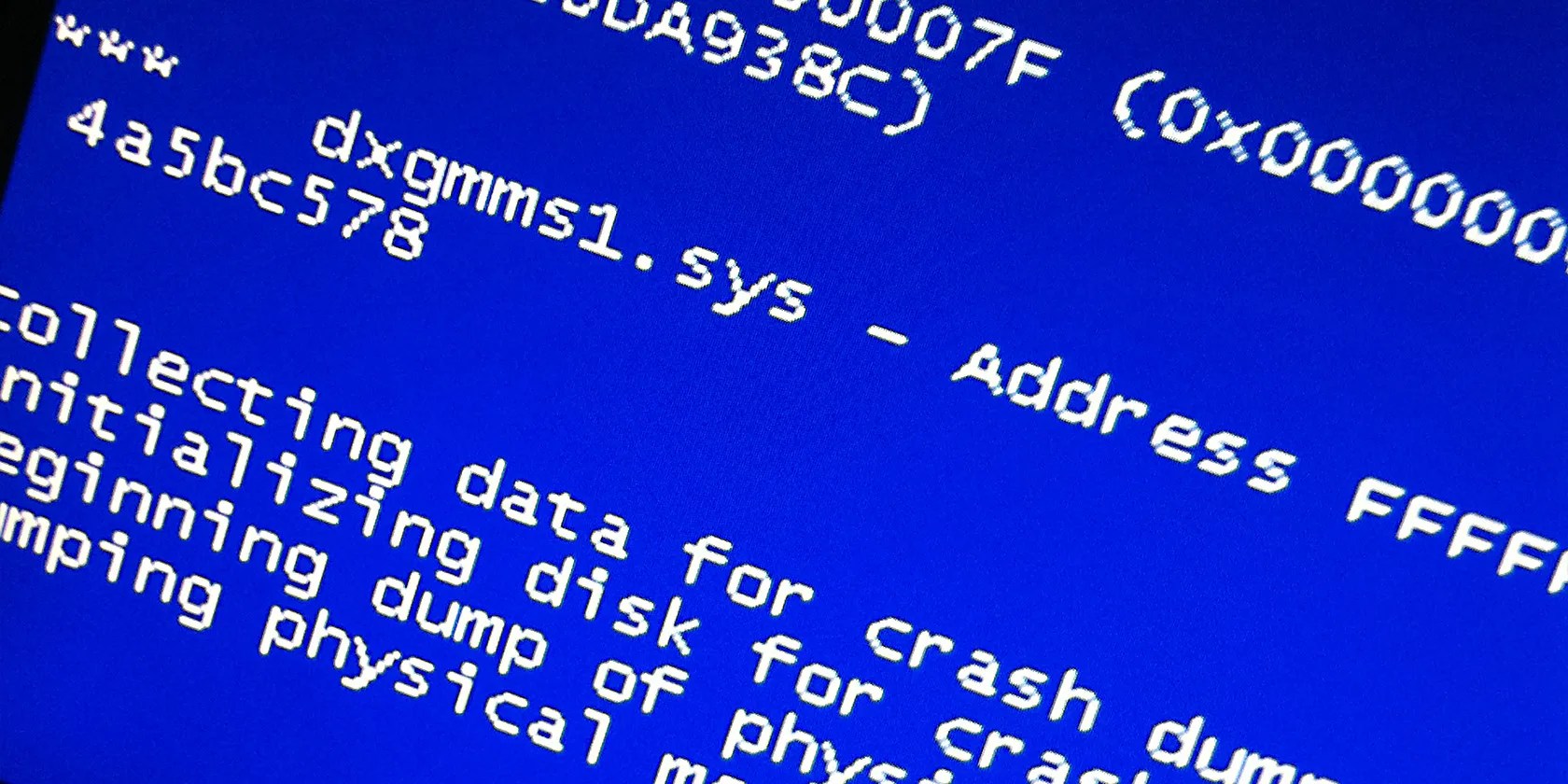
When your computer crashes and you face a Blue Screen of Death (BSOD), your system saves the details of the crash as a BSOD log, in a pre-defined location in Windows. This information gives you details about when the crash happened, what caused it, and sometimes even what to do to fix the problem.
In this guide, we will first discuss where are the BSOD files located in Windows and then how to identify them. Once you have located a BSOD file, we will show you how to read it properly to understand the potential causes of the error and resolve the problem.

Where Are the BSOD Log Files Located in Windows?
you’re able to find the BSOD log files in the Event Viewer, Control Panel, and Registry Editor in Windows. Below, we have listed the detailed steps for finding these files in all three of these utilities.
1. Find and Read the BSOD Log Files in the Event Viewer
The Event Viewer is a tool developed by Microsoft for users to view system and program-related events in Windows. These events can include system errors, warnings, informational messages, and more. In other words, every issue you encounter (whether a minor glitch or a major crash) will be logged in the Event Viewer for later investigation and sharing with Microsoft.
You can check out our detailed guide onwhat the Event Viewer is and how it can be usefulif you are unfamiliar with it.
Here is how you can find the BSOD log files in the Event Viewer:
Once you find the error code associated with the crash and the cause, you’re able to look for solutions online, or head over to our guide that discusseshow to fix blue screen errors in Windowsif it’s a bsod.

2. Find and Read the BSOD Log Files in the Registry Editor
In case using the Event Viewer does not work for you for some reason, you can use another Windows utility to locate and study the BSOD log files—the Registry Editor.
Windows Registry Editor is an administrative-level utility that lets you control how Windows operates and interacts with hardware and software. The Registry stores information related to the hardware and software components of your system. This information in the Registry is stored in the form of keys and values, and by modifying these with the dedicated Registry Editor, you can customize the operations of your system.

Listed below are the steps for finding the BSOD log files in the Registry Editor. ensure you are logged into your system as an administrator before you proceed.
Upon reboot, you should be able to view the log files without any problems.

3. Find and Read the BSOD Log Files in the Control Panel
The third way of finding and reading the BSOD log files is via the Control Panel. This approach offers a graphical representation of the log files using the Windows Reliability Monitor, unlike the methods we have explored previously.
The Reliability Monitor, which is different than the Performance Monitor (seeReliability Monitor vs. Performance Monitor) will show you a timeline of important system events that occurred on your computer including BSOD occurrences, software installations, application crashes, and other relevant events.
Here is how you can use it to identify and fix problems that may affect your system:
You will be presented with information like the faulting application path, its name, fault module timestamp, exception code, etc. If this app caused a BSOD crash, then you’re able to try ending its process via the Task Manager or uninstalling the app if it is not necessary.
It is also a good idea to copy this information and send it to Microsoft for review if you cannot find a solution online.
Learn How to Read Your BSOD Log Files and Resolve Your Crashes
Windows blue screen errors are nothing new, but since they only display messages like “Your PC encountered a problem” without describing the cause, it can be difficult to find a fix. Understanding how to read BSOD log files can not only help you identify the exact cause of the problem but also help you find the right solution.
Whenever a component causes your system to crash, you can disable it and switch to a better alternative to avoid the problem.
Is Event Viewer letting you down? Take back control of your logs with these event managers for Windows.
My foolproof plan is to use Windows 10 until 2030, with the latest security updates.
Not Linux, not Windows. Something better.
Anyone with more than a passing interest in motorsports must see these films.
Goodbye sending links via other apps.
It’s not super flashy, but it can help to keep your computer up and running.
